
Seeing is Believing, but Believing is Seeing: The Power of Open-Mindedness in Personal and Athletic Growth
In the tennis world filled with diverse challenges and experiences, the saying "seeing is believing" holds significant truth. However, there's an equally compelling truth that often goes unnoticed— ”believing is seeing”. In this blog, we'll delve into the profound impact of open-mindedness on our ability to perceive, learn, grow, and develop into improved and better players.
Seeing brings truth to something:
The act of seeing uncovers the reality of our competitiveness, but this truth is based on our willingness to open our minds to the multiple challenges experienced during competition. Simply waiting and trying to see, without believing, might cause us to become blind to the keen lessons and opportunities that may lie right before us.
Closed-mindedness and missed opportunities:
A closed mind can be a barrier to growth, learning, and development. Numerous opportunities during matches and competitions often go unnoticed by those who are unwilling to believe in possibilities beyond their preconceived notions or expectations. It's crucial to recognize that being closed-minded may limit our ability to learn and hinder personal and athletic development.
The consequences of closed-mindedness:
Closed-mindedness, entrenched in fear and a reluctance to accept change and adaptation (adjustments), can lead to a lot of negative outcomes. From interpersonal conflicts to a lack of progress and innovation, the impact is extensive. Cancel culture, the ultimate expression of closed-mindedness, can have detrimental effects on both personal and athletic career growth.
Opening a Closed Mind:
To break free from closed-mindedness, consider active steps such as asking others on your team to keep an open mind, presenting strong evidence of why and how it works for you, discussing thoughtful alternatives, choosing the right timing to make challenges or emphasizing benefits, and presenting ideas as gradual changes rather than radical changes.
Believe to see:
Belief acts as a lens through which we interpret and gain growth. Whether it's in our abilities, game plans, game styles, or personal growth, belief paves the way for improvements. Great coaches understand this principle well—instilling belief in athletes maximizes commitment, leading to enhanced confidence, growth, and a greater chance of achieving goals.
Conclusion:
In the complex dance between seeing and believing, open-mindedness appears as the core. Embracing different perspectives, being willing to learn, and cultivating belief are essential for personal and athletic growth. So, as you navigate the complexities of competition, remember: seeing may bring truth to your athletic ability, but it's believing that unlocks the door to a world of possibilities and growth.
Mastering the Moment: The Power of Personal Strategies in Sports
In the fast-paced world of sports, it's easy to get caught up in the excitement of the game, the pressure to perform, and the desire to get ahead. However, true success on the court goes beyond physical prowess—it requires mastering the mental game. Players, Coaches, and Parents let's delve into the significance of being present on the court and how finding a personalized strategy can make all the difference.
Embracing the Journey:
The journey in sports is not just about victories and defeats; it's a continuous process of growth and self-discovery. Every player brings a unique set of skills, challenges, and strengths to the game. Embracing this journey involves recognizing that improvement is a constant, ongoing effort.
Mastering the Moment:
To truly excel on the court, one must learn to master the moment. Being fully present during a game can significantly impact performance. It's not about getting ahead of yourself or focusing on the past; it's about being immersed in the play, making split-second decisions, and staying focused. This is where personal strategies come into play.
“Whenever Jordan was asked what the score was in a game, he would respond, "It's zero to zero." He knew the score, but he made a conscious effort always to treat the game like it was zero to zero. He wanted to play that possession like he was trapped in the moment. A unique perspective, but it was one of the ways he avoided complacency and was able to keep the pressure on his opponents. Might explain why many say he's the greatest basketball player ever to live. “ JJ Birden——Former NFL Player and Motivational Speaker
The Power of Personal Strategies:
Strategic planning gives an athlete a competitive advantage since it involves thoroughly analyzing their internal strengths and weaknesses. It also considers new opportunities and external threats, helping the athlete identify unique capabilities and areas where they can outperform competitors.
Each player is different, and what works for one may not work for another. Hence, it's crucial to discover a strategy that resonates with you personally. Here are a few strategies that players can explore to bring themselves back to the present moment:
Deep Breathing Techniques: Encourage players to practice deep breathing exercises to calm the mind and refocus their energy. A few moments of conscious breathing can make a significant difference in managing stress and maintaining concentration.
Visualization: Guide players to visualize successful plays, positive outcomes, and their personal strengths. Visualization helps create a mental blueprint for success, enhancing confidence and performance on the court.
Personal Mantras: Introduce the concept of personal mantras—short, powerful statements that resonate with the individual. Whether it's "I am unstoppable" or "One play at a time," these mantras can serve as anchors, bringing players back to the present moment.
Conclusion:
In the dynamic world of sports, the ability to master the moment is a skill that can set players apart. It's not about the destination; it's about the journey and the continuous growth that comes with it. By embracing personal strategies, players can enhance their mental resilience, focus, and overall performance. Coaches and parents play a vital role in supporting players on this journey, helping them discover strategies that work best for their unique personalities. So, let's champion the power of the present and watch as players flourish on and off the court. 🏀💪 #MasterTheMoments #OwnYourGame #MindfulBallers
The Identity Obstacles in Junior and Professional Tennis
Tennis, an intricate sport that demands physical prowess and mental fortitude, poses numerous challenges for both junior and professional players alike. One of the most significant hurdles faced by aspiring tennis players is the lack of understanding or awareness of their identity as athletes. In this blog, we explore how the absence of player identity can impede progress and growth in tennis and how embracing one's true self can lead to success.

Serena Williams
“As a Black tennis player, I looked different. I sounded different. I dressed differently. I served differently. But when I stepped onto the court, I could compete with anyone
The Core of Player Identity:
Player identity revolves around two crucial aspects: understanding one's game style and, perhaps more importantly, comprehending who they are as individuals, including what drives them as well as how to connect that drive to compete at Ideal Performance State (IPS). A comprehensive understanding of these elements is essential for any player, especially those transitioning into the professional realm.

1. Game Style & Player Identity
For junior players, finding their optimal game style and Player Identity is an ongoing process. Some players might be naturally aggressive, favoring a hard-hitting, attacking style, while others might thrive on defensive or counter punching play and strategic placement with relying on strength and endurance. Developing one's game style requires physical time, practice, and at times experimentation, however recognition of this can be truly shortened with the use of a scientific method introduced in recent years (Brain typing)

Stressed out? Trouble getting into the flow? Understanding your brain type may provide the roadmap needed to overcome these barriers and reach your fullest potential. Daniel Amen
2. Primary Purpose
Beyond one's personal identity, understanding how to ignite that drive to push that game style plays a fundamental role in a player's journey. This includes recognizing their passions, motivations, and what fuels their competitive fire. Some players may excel under pressure, thriving in intense situations, while others might find solace in consistency and steady progress. This is due to their connection to Primary Purpose.
click on link to read Dr. Stan Kovich The Importance of Passion & Purpose for Sport Success
The Significance of Brain Type and Primary Purpose:
Understanding one's "brain type" is vital in shaping a player's identity. Some individuals are instinctive, trusting their gut and intuition during high-pressure moments. Others may be analytical, relying on detailed strategies and data to make decisions on the court.
Moreover, identifying the primary purpose for playing tennis is a game-changer. Some players pursue tennis for the sheer love of the sport, while others are motivated by the desire for fame, financial rewards, or to honor their family's legacy. Knowing their true purpose helps athletes stay focused and driven throughout their careers.
The Journey to Champion's Identity and Primary Purpose:
Becoming a champion isn't just about innate talent; it's a journey of self-discovery and development. Champions are not born with all the necessary information; they learn, adapt, and grow as they progress through their careers.
1. Early Development
Junior players who start early in understanding their identity have a significant advantage. This self-awareness allows them to make informed decisions about their training, coaches, and tournament schedules. The earlier they grasp their strengths and limitations, the more time they have to refine their game and mental approach.
2. Embracing the Process
The path to embracing one's player identity is not always easy. It requires self-reflection, feedback from coaches, and the courage to be true to oneself. It's essential to be patient with this process, as it can be a rollercoaster ride of successes and setbacks. With the connection of their primary purpose, it keeps them motivated and fired up through the many ups and downs. It keeps them going!
In Conclusion:
The journey to success in junior and professional tennis is riddled with challenges, and one of the most critical obstacles is a player's lack of understanding or recognition of their identity. Discovering their game style, brain type, and primary purpose for playing can unlock their full potential as athletes. Champions stand out not only for their exceptional skills but also for their profound understanding of themselves. Aspiring tennis players should strive to connect with their inner selves early in their careers to pave the way for a brighter and more fulfilling future on the court.
The one kicker here that must be mentioned is that it takes the understanding, patience, collaboration and positive reinforcements from the whole support team.

Unique Brain—Teach Me the Way I learn!
Ever wonder why certain players accel at such faster rates than other players? Or even how some players grasp information so quickly while others don’t? The answer is very simple….”their brain”!
Ever wonder why certain players accel at such faster rates than other players? Or even how some players grasp information so quickly while others don’t? The answer is very simple….”their brain”!
Everyone’s brain is different and each person needs their own personalized learning. Uniqueness of the Brain may affect us both as a learner and as a teacher. As a result there is no one size fits all approach nor is there a single recipe for learning.
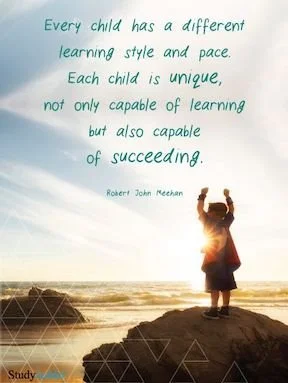
Studies show that the Best strategies for learning will not only vary between individuals but may even vary within the individual.
You see, the brain is constantly active, even when you’re not doing anything, and every time you learn a new skill you change your brain. In fact all behaviors that a person engages in, positive or negative, are very important as each behavior changes the brain!
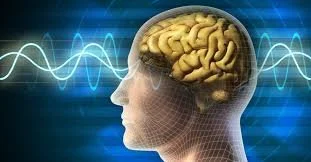
Constant Brain Waves
What’s critical to note is while the primary driver of change in the brain is BEHAVIOR, nothing is more effective to learning than PRACTICE! In fact, the more difficulty and struggle that one takes on during practice leads to greater structural change in the brain making way for increased learning.

Please take a minute and click on this link by renowned Neurologist and Brain Researcher Dr.Lara Boyd https://youtu.be/LNHBMFCzznE to Get a more insightful and in depth scientific explanation of how the brain relates to learning.
Dr. Lara Boyd’s studies show that there are three different ways in which the brain changes to support how we learn :
Chemical Change where the brain functions by transferring chemical signals between the brain cells call neurons (this supports short term learning
2 Structural Change is a physical change of the connections between neurons in the brain (this supports long term learning)
3. Lastly a change to support learning whereby altering the brain’s function. As you use certain regions of the brain to learn something that area becomes more and more excitable and easy to use again. During this process the brain shifts how and when they are activated and enlargens. This describes why certain individuals can strive in different areas of life (languages, traditional learning, music, sports and so on).
We’ve all been told as coaches that it takes 10,000 hours to master a motor skill. However, as some of us have experienced, we all need to know that some may take longer and others may take far less.
In Conclusion:
Everyone that reads this blog will not be the same as they were before they’ve read this. Each person’s brain would have changed.
Understand that everything our players do, encounter and experience will change and affect their brains. This can be for the better but can also be for the worse.
Let’s take the time to learn how each of our athletes learn best and incorporate those specific strategies that relate to each individual.

Finally, let’s practice specifically what each brain requires for greater growth (learning) with more difficulty, struggles, but also with positivity.
Let’s Go Build the brain that our players crave and need for growth and success!!

No Team… Less Chance-Recognize!
On the professional tennis tour the majority of players have a team around them (coach, tennis trainer, partner, friends)
Importance of Team in Tennis
On the professional tennis tour the majority of players have built a support team (A coach, physical trainer, an agent or manager, partner, friends) while others have a close group of players they rely on for encouragement, a laugh, support and above all tennis results.
These players all understand the extreme importance for them to have this "team" dynamic. They not only rely on the team for feedback, motivation, and support, but have learned how equally important it is to also be able to help and support others themselves. This brings them satisfaction and a feeling that they are in alignment of obtaining their personal goals.

Your team should consist of people that you need to spend time with, listen to, communicate with, and respect. As they believe in you, you too should believe in them, it is a two-way street.
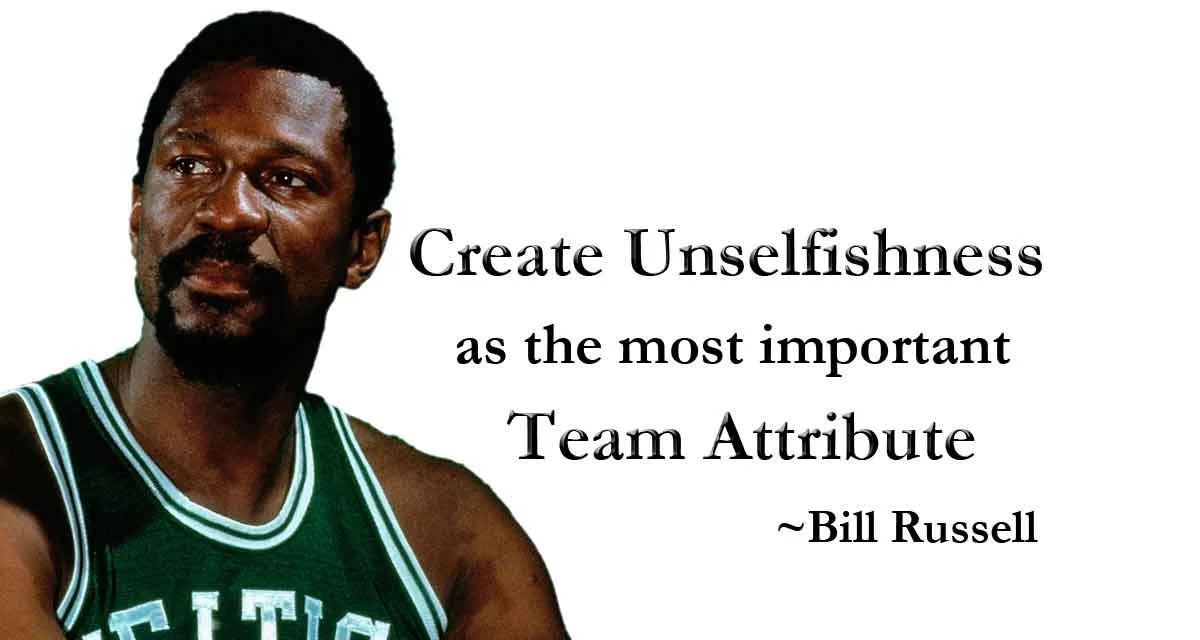
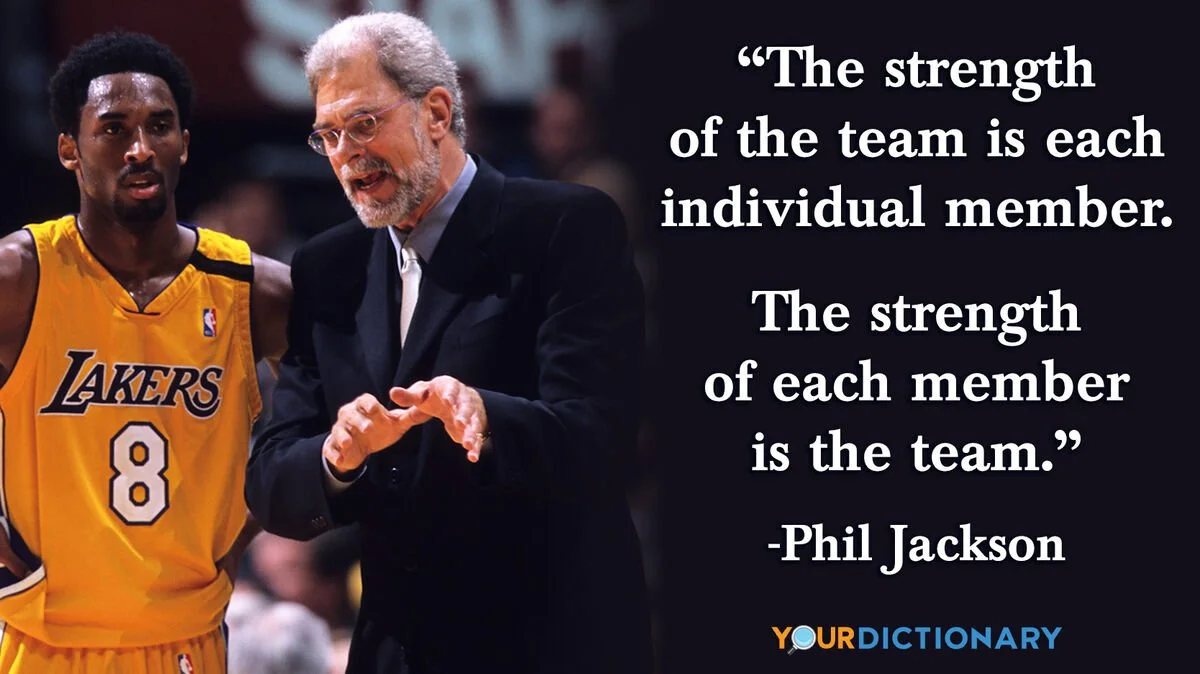
Successful professional athletes understand that team is more important than any individual member, so that is why they rarely put their own ego before the team’s wellbeing. Many times what is going on between the team is more important than the player’s actual skills.
Nick Bollieterri (one of the sport's greatest coaches and pioneer of tennis academies) states:
“In sports, teamwork is essential to achieving a victory as it requires the effort of every member on the team. While tennis seems to be quite an individual sport, there are many team dynamics in the background to help tennis players achieve success!” Nick Bollettieri (2017) also explained that even though the end result might be credited to a single individual, the teamwork behind the player is the key to success.

Teamwork requires training, practice and trust
As all member depends on the performance of each other, trust and belief is a critical element to the success of the group. This means Every Single Time and each time with 100% effort and focus is not only expected but demanded from all members.
Imagine a player thinking that his/her coach had a bad night or had too much wine with dinner the previous evening. This doubt might be the cause of a disastrous performance!
Player and Coach
A player and coach needs to respect each other enough to communicate effectively and speak openly about progress, goals, tennis results, and what’s needed for improvements.
Rafa Nadal on his team being free to communicate
“There is only one way to work – to respect each other and to have a very good personal relationship. It’s more than a work relationship. For me personally it’s something even more important than tennis. I like my team in a human way – in a professional way too of course – and I feel comfortable like this. I always like to have long-term relationships. It’s the same with my sponsors, with my friends and with my team. I feel happy like this. When I’m at the tournaments I feel like I’m with my family. For me it works well. For other people it’s different, but that’s how I like it.”
“The important thing is to have a group of people around you who feel free enough to tell you if you are doing things right or not,” Nadal said. “When you are often changing people around you it’s difficult to find this confidence.”

I’ve never fired anyone, I don’t think any coach that I have had in my career has ever been afraid of telling me the truth or being honest with me because he feared for his job.”
How does teamwork improve quality?
Teamwork helps everyone to communicate more effectively and more often in real-time thus minimizing friction and delays.
Having the right people around you is a blessing and will enable you to reach for great heights because you know that they have your back and you have theirs. This boosts confidence, belief and makes for more fun in the whole process.
Every team member has their own set of skills and strengths, but when the whole team works as a unit, everyone has an opportunity to learn from each other. This process leads stronger building that allows for the team to become better equipped to deal with all challenges. Teamwork can improve efficiency and productivity.
So here are the key reasons teamwork is so important.
Efficient work
Self-monitoring
Innovate faster
Learn from each other
Creates healthy competition
Promotes strong working relationships
5 benefits of teamwork
Give employees a sense of ownership
Build on the strengths of each team member
Build trust within teams
Take the opportunity to co-create and innovate
Share knowledge and skills
What makes an effective team and why?
For a team to be truly effective, all members must unite with the same vision and be motivated to bring that vision to life. They must share clear, measurable goals, and be committed to each person playing their part in the overall success of the group.
Serena Williams on surrounding herself with a strong team
Arguably the greatest female athlete and tennis player of all time, believes that being surrounded by a good and strong group of people was one of the keys to her astonishing success. "How it's important to have a really good team around you, and how you can have a good career if you have a good team around you and how you can have a different career if you have a bad team around you.”
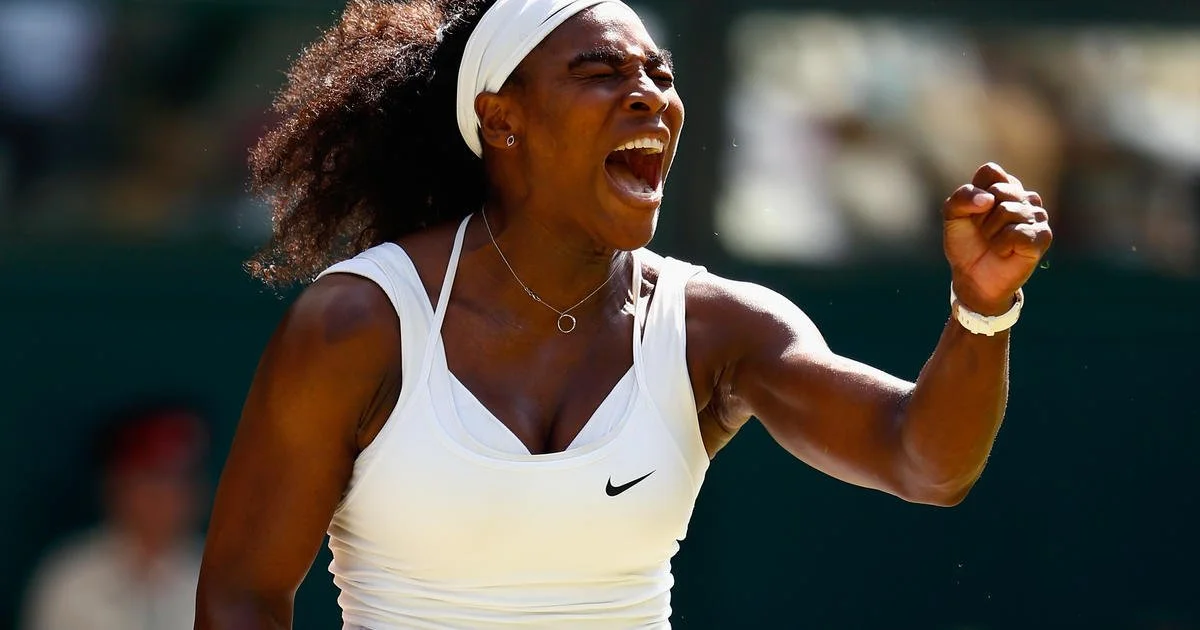
Growing up I wasn’t the richest, but I had a rich family in spirit
Serena further declares that when she sets a mission statement at the start of each season, how important it is for each team member to clearly understand that mission statement in order to make life easier for everyone. Every decision going forward is made in alignment with her mission statement.


Avoid Danger when not connected to Primary Purpose-Here’s How!
Connecting Primary Purpose in sports: I always encourage and assist my players in finding their primary purpose and connecting it to their sport…..
Connecting Primary Purpose in sports:
When I team up with an aspiring world class professional tennis player/athlete, I always encourage and assist my players in finding their primary purpose and connecting it to their sport.
Distinguish Primary Purpose:
It is very important for athletes to understand that a primary purpose is different than a secondary purpose.
Defining primary Purpose:
An athlete’s primary purpose is an ACTION, that they have complete control of, connected to their deepest value(s) of playing that sport.

Example of an athlete’s Primary Purpose:
For some athletes, like myself, it may be about the goal of using our sport as a vehicle to teach/show others in our small hometown that there are no limitations in aspiring for something bigger than our town had to offer.
Quality of athlete’s actions:
It was about the quality of our actions that was always present, in whatever we did, that played a key role on our journey towards the fulfillment of our secondary purpose (end result).
How to Show quality actions:
Primary purpose is in an athlete’s state of consciousness. It allows for our principal, fundamental, predominant or independent objective in which we commit to something (our fight, our effort, our composure, our character, our style of play, our work ethic, etc..)

Defining Secondary Purpose:
An athlete’s secondary purpose, while a great motivator, is anything that an athlete desires to do or achieve but actually does not have complete control of. It is a PURPOSE CONCERNING CONTENT.
Athletes common confliction with connecting purpose:
Most, if not all, of the athletes that I start out coaching are frequently conflicted with their connection of primary purpose. They usually describe their secondary purpose, the end state, when I ask the question.
Danger when conflicted with purpose:
The danger of having a secondary purpose as a primary purpose makes it very, very difficult to achieve goals because secondary purposes are not in their complete control (Their ultimate ranking goals, their personal number of titles won and achievements, their desired financial goals and competitive earnings, their worldwide fame or any other other personal sporting results, etc..).
Consequences with conflicted purpose:
Athletes that do this usually end up feeling like under achievers to failures and become very disheartened and thus label themselves unsuccessful athletes.
Aligning passion with your Primary Purpose:
During the journey with my athletes I also stress the extreme importance of understanding and aligning their passion with their primary purpose!
Example of passion with alignment to Primary Purpose:
When I played I had to align my passion to playing the game of tennis with how I wanted to be seen as a competitor or person of character with my primary purpose (mentioned above).
Consequences when passion is not in alignment:
If not in alignment my passion would have dwindled due to my shortfall of direction. The risk of chaos in a player’s journey (disorganization, vulnerability, frustration, no confidence, etc..) can lead to a complete melt down.
Results when alignment is off:
normally results in loss of hope.
Another example when not in alignment:
Passion is like (the icing) and primary purpose as (the cake). Without the cake the icing will run all over the place with no substance to it. You can only eat so much icing before you start to feel sick.
Danger when not connected to Primary Purpose:
In summary and as mentioned throughout, now you can see why it is so important for an athlete to connect with their primary purpose and the danger when it’s not.
Top athletes master this connection:
I truly believe especially now as a coach that all top contenders of their sport have learned, completely understand and have clearly made this connection through their successful careers.

Endure, sustain and have fun when connected:
Again, connecting my players primary purpose gives them endurance to sustain great competitiveness through the ups and downs of the many challenges that comes within their sport. It even makes for much more fun when competing!
Note: An athlete can have more than one purpose. In fact in many cases the more the better pending on specific individual goals. Listed below are four purpose:
1. Prosocial Purpose pertains to an athlete wanting to help others, influence the societal structure or even increasing their happiness.
2. Creative Purpose pertains to an athlete’s artistic goals and their propensity for originality.
3. Financial Purpose pertains to an athlete’s financial well-being and competitive success.
4. Personal Recognition Purpose pertains to their desire for recognition and respect from colleagues.